
The allure of gambling and its psychological underpinnings
The psychology behind gambling is a multifaceted interplay of behavioral, emotional, and cognitive factors that make casinos irresistibly appealing. Many individuals are drawn to the thrill of risk-taking, often fueled by the tantalizing potential for substantial rewards. This allure is intensified by a combination of environmental cues, such as the flashing lights, captivating sounds of winning, and the overall ambiance designed to create a sense of excitement. For those interested in understanding this phenomenon further, atphealthsummit.com offers insights into how these elements work synergistically to evoke strong emotional responses, which can often lead to impulsive decision-making and prolonged gambling sessions.
Moreover, the concept of "near misses" plays a pivotal role in keeping players engaged. When gamblers come close to winning, their brains release dopamine, a neurotransmitter intricately linked to pleasure and reward. This biological response reinforces their behavior, making them more likely to continue gambling despite experiencing losses. The psychological phenomenon of loss aversion also comes into play, where individuals tend to prioritize avoiding losses over acquiring equivalent gains. This leads many gamblers to chase their losses, operating under the belief that they can eventually turn their luck around, even when the odds are stacked against them.
Additionally, social dynamics within the casino environment cannot be overlooked. The presence of other players fosters a communal experience, generating a sense of belonging and shared excitement. Gamblers often feel supported by fellow players, which can enhance their enjoyment and willingness to continue playing. This social element, combined with the intense sensory experiences provided by the casino, creates a psychological environment that is difficult to resist, urging players to gamble for longer periods and perhaps to take greater risks than they would in isolation.
The role of cognitive biases in gambling behavior
Cognitive biases significantly influence gambling behavior, often leading individuals to make irrational decisions that can have detrimental consequences. One prevalent bias is the illusion of control, where players mistakenly believe they can influence the outcome of a game through their actions. This misconception is particularly common in games perceived as involving skill, such as poker or blackjack. Players may feel that their decisions can sway the odds in their favor, reinforcing their engagement and making them more prone to taking risks, as they consistently overestimate their probability of success.
Another well-documented bias is overconfidence, where gamblers may harbor an inflated sense of their ability to predict outcomes or read opponents. This overconfidence can result in excessive wagering and poor strategic choices, ultimately leading to significant losses. The Gambler's Fallacy is also a cognitive distortion where individuals believe that past random events can affect future outcomes. For example, a player might think that if a particular number hasn’t appeared in a while, it is due to show up soon. Such biases contribute to the unpredictable nature of gambling behavior, further complicating the landscape for both players and operators.
Understanding these cognitive biases is essential for both players and casino operators alike. While players may benefit from recognizing these biases to make more informed decisions, casinos can utilize this knowledge to create environments that enhance player engagement. For instance, casinos might design games that exploit these cognitive biases while simultaneously providing responsible gambling resources to help mitigate negative outcomes. Ultimately, acknowledging the role of cognitive biases can foster a more balanced approach to gambling, encouraging players to remain aware of their thought processes and decisions.
The impact of addiction and responsible gambling practices
Addiction is a serious concern associated with gambling, and its psychological impact can be devastating for individuals and their families. Many individuals may begin gambling for entertainment, but for some, it can escalate into compulsive behavior where the thrill of the game outweighs control. The transition from recreational gambling to addiction often involves emotional distress, financial instability, and strained relationships. Understanding the psychological factors that contribute to addiction is crucial for both prevention and effective treatment of this pervasive issue.
Various treatment options exist for those struggling with gambling addiction, including cognitive-behavioral therapy (CBT) and support groups. CBT assists individuals in identifying and challenging their irrational beliefs about gambling, helping them develop healthier coping mechanisms. Support groups provide a community where individuals can share experiences and strategies for coping with addiction. These approaches aim to restore a healthy relationship with gambling by promoting self-awareness and encouraging the development of strategies to avoid triggers that lead to compulsive behaviors.
In response to the challenges posed by gambling addiction, many casinos have adopted responsible gambling practices. This may involve offering self-exclusion programs, where players can voluntarily ban themselves from gambling facilities for a specified period. Additionally, casinos may implement training for staff to recognize signs of problem gambling and provide resources for help. By fostering a responsible gambling environment, casinos can promote healthier behaviors while still delivering entertainment to their patrons, creating a balance between profit and social responsibility.
The influence of marketing and design in casinos
Casino marketing employs psychological principles to attract and retain players, utilizing strategies that resonate deeply with their emotions and behaviors. Advertisements often depict a glamorous lifestyle associated with winning, appealing to the innate desire for social status and wealth. This allure creates a compelling narrative that entices individuals to visit casinos in hopes of achieving similar success. The language used in marketing campaigns frequently emphasizes excitement, luck, and the thrill of the game, further drawing in potential gamblers and feeding into their fantasies of winning big.

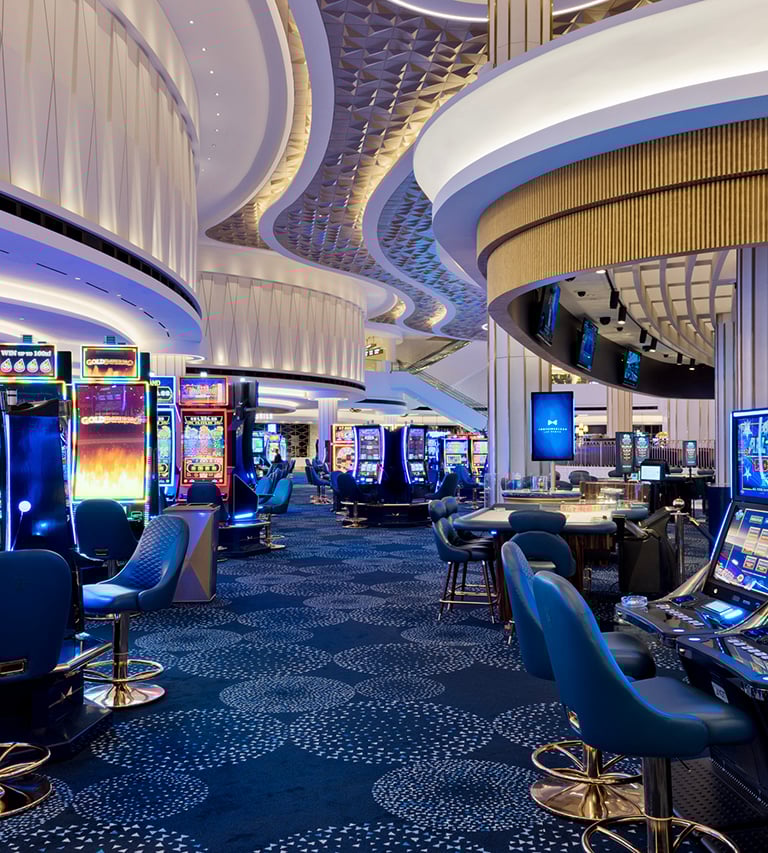
The design of casinos is also strategically crafted to maximize player engagement. Elements such as layout, lighting, and sound are meticulously chosen to create an immersive experience that captivates players. For instance, casinos often lack clocks and windows, disorienting players and leading them to lose track of time. The arrangement of games encourages movement throughout the casino, increasing exposure to various options and heightening the likelihood of prolonged gameplay. By understanding the psychological effects of design, casinos can create compelling environments that keep players entertained and engaged.
Additionally, loyalty programs and bonuses serve to exploit psychological triggers, encouraging players to return and gamble more frequently. By rewarding players through points systems or free plays, casinos tap into the desire for validation and acknowledgment, creating a sense of community among patrons. This reinforcement makes it more likely for gamblers to return, often leading them to spend more money in the hopes of achieving greater rewards. Ultimately, the intricate relationship between marketing, design, and psychology plays a significant role in shaping the gambling experience, driving both engagement and revenue for casinos.
Exploring resources for safe gambling habits
For individuals seeking to engage in gambling responsibly, numerous resources are available to promote safe habits and foster awareness of potential risks. Educational websites dedicated to public awareness about gambling issues provide valuable information on recognizing potential problems. These platforms often offer self-assessment tools, enabling individuals to evaluate their gambling behaviors and identify areas of concern. By becoming informed about the nuances of gambling, players can make better decisions regarding their play and set limits to protect themselves from developing unhealthy habits.
Furthermore, many casinos have implemented comprehensive support systems for players, recognizing their role in promoting responsible gambling. These initiatives often include access to counselors and hotlines specifically designed to assist those grappling with gambling-related issues. Through these programs, individuals can find professional help tailored to their unique situations, enhancing their chances of recovery. Many casinos also encourage players to take regular breaks and reflect on their gambling experiences, promoting mindfulness around their behavior and the decisions they make.
Ultimately, creating an environment conducive to responsible gambling requires a collaborative effort between operators and players. By fostering open dialogue about the risks associated with gambling and emphasizing the importance of personal responsibility, both parties can contribute to safer gaming experiences. Organizations advocating for responsible gambling continue to develop tools and strategies to help players maintain a healthy approach to their engagement in casinos, ensuring a balanced relationship with gaming and entertainment.