
The allure of risk and reward
The thrill of gambling is deeply embedded in human psychology, creating an irresistible allure for many. The chance of winning substantial rewards ignites excitement and anticipation, making casinos an epicenter of this thrill. Each spin of a slot machine or roll of the dice represents a potential life-changing moment, drawing people into a world where fortunes can be made or lost in an instant. For those interested in exploring online pokies new zealand , this relationship between risk and reward fuels the adrenaline-driven environment of casinos, enticing players to immerse themselves in the gamble.
Moreover, the concept of delayed gratification plays a significant role in gambling behavior. Players understand that not every bet will yield a return, yet the anticipation of a potential big win often overshadows the reality of frequent losses. This psychological dynamic is amplified in casinos, where the atmosphere is designed to keep players engaged and hopeful. The colorful lights, sounds of celebration, and festive ambiance contribute to a sense of urgency and excitement, making the experience feel worthwhile, even when the odds are not in their favor.
Another compelling aspect of the risk-reward dynamic is the perception of control. Many gamblers believe they can influence outcomes through skill or strategy, despite the fact that most games are fundamentally random. This illusion of control creates a rush of adrenaline, reinforcing the desire to return to the gaming tables in pursuit of that rare moment when their skill seems to triumph over chance. As a result, casinos become playgrounds for those willing to embrace risk, tapping into the adventurous spirit inherent in human nature.
The social aspects of gambling
Casinos serve as vibrant social hubs where individuals gather to share in the thrilling experience of gaming. The communal atmosphere enhances the overall enjoyment, whether it’s cheering on a friend at a poker table or celebrating a shared jackpot on a slot machine. This sense of community fosters connections among players, creating a collective journey that elevates the highs and lows of gambling into shared memories and stories. The bonds formed in these settings can enhance the thrill of the game, making the experience more significant than merely monetary gains.
Additionally, the social component of casinos is amplified by the presence of entertainment and dining options. Many casinos host live performances, concerts, and a variety of culinary experiences that attract crowds beyond just avid gamblers. This diverse array of offerings transforms casinos into multifaceted destinations for celebrations, date nights, and group outings. Thus, gambling evolves from a solitary activity into a shared adventure, broadening its appeal to a wider audience seeking social interaction alongside the thrill of chance.

The camaraderie found in casinos also acts as a coping mechanism for many individuals. Gamblers often seek the company of like-minded individuals, creating an inclusive environment where they feel understood and accepted. This sense of belonging can be a powerful motivator, encouraging individuals to revisit casinos as they associate their experiences with social fulfillment, rather than viewing gambling solely through the lens of financial outcomes. Consequently, the social dynamics at play contribute significantly to the enduring popularity of casinos.
The impact of design and environment
The design of casinos is a carefully crafted art form, intentionally engineered to elicit specific psychological responses from visitors. Upon entering, patrons are immediately enveloped in an environment filled with stimulating sensory experiences. The vibrant colors, engaging sounds, and a conspicuous absence of clocks or windows contribute to a sense of timelessness, creating an immersive atmosphere that encourages prolonged engagement. This strategic design choice can lead players to lose track of time and money, further enhancing the allure of the gambling experience.
Furthermore, the layout of casinos is cleverly designed to promote exploration and movement. The chaotic arrangement of games and attractions compels visitors to navigate through various experiences, ensuring they remain engaged for extended periods. This psychological tactic fuels the desire to continue gambling, as players constantly encounter new opportunities and experiences that heighten their excitement. The overall design reflects a deep understanding of human psychology, employing elements that keep patrons entertained and incentivized to stay longer and spend more.
The use of reward systems, such as loyalty programs and complimentary services, also plays a vital role in attracting and retaining players. Casinos often implement these strategies to foster a sense of belonging and exclusivity, encouraging visitors to return frequently in order to reap the benefits and feel valued. By cultivating these feelings of reward, the casino environment not only enhances the gambling experience but also builds a loyal customer base that feels personally invested in the establishment’s success, thus perpetuating the cycle of engagement.
The role of emotions in gambling
Emotions are at the heart of the gambling experience, influencing decisions and behaviors in profound and complex ways. The euphoric highs of winning can create an intoxicating rush, while the lows of losing can evoke disappointment and frustration. This emotional rollercoaster is captivating for many individuals, often leading to a compulsion to gamble in hopes of recapturing that exhilarating feeling. For some, the thrill of winning may become addictive, prompting a cycle of increased risk-taking as they chase the next emotional high.
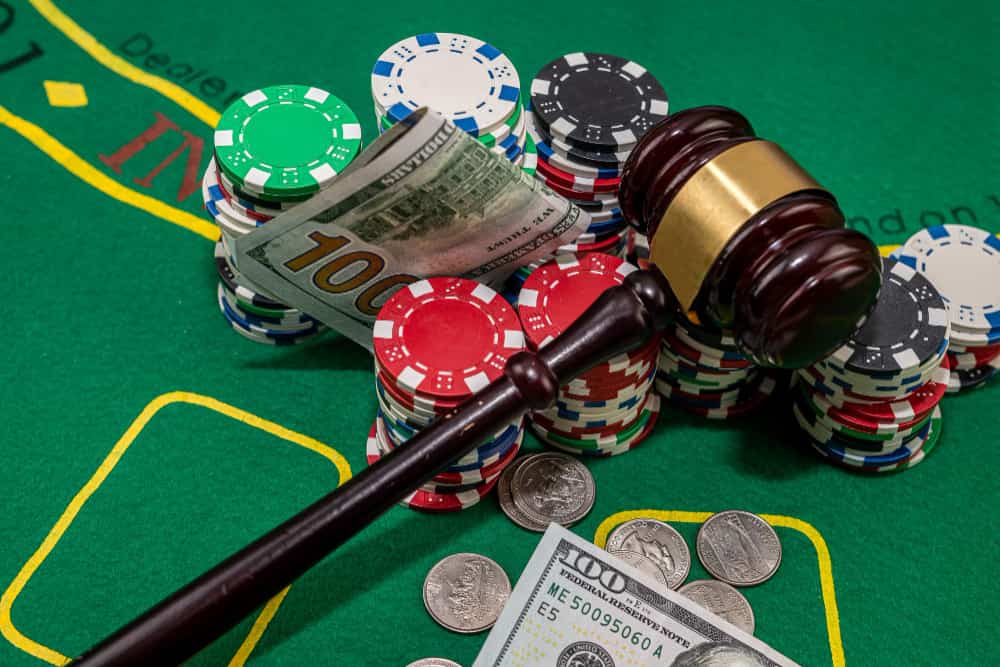
The excitement associated with gambling frequently overshadows the potential negative consequences. Players may convince themselves that they can recover their losses or that the next game will be their lucky break. This mindset can lead to the "gambler's fallacy," where individuals mistakenly believe that previous outcomes affect future results. Such emotional reasoning drives players’ decisions, further entrenching them in the cycle of gambling. The allure of future wins can often blind them to the statistical realities of their situation.
Casinos skillfully capitalize on these emotional dynamics by crafting environments that accentuate the highs and downplay the lows. For instance, celebratory sounds, flashing lights, and other incentives accompany wins, while losses are often drowned out by the overall noise and excitement of the gaming floor. By carefully curating these emotional experiences, casinos create a captivating space where the thrill of risk is intricately linked with the joy of victory, ensuring that patrons remain engaged and eager to return.
Exploring gambling resources and support
Understanding the psychology of gambling is essential for anyone wishing to engage responsibly in this popular pastime. Numerous resources are available for individuals who seek to learn more about gambling behavior, recognize the signs of addiction, and find help when necessary. Organizations and platforms dedicated to promoting responsible gambling provide invaluable information, tools, and support for those in need, helping to foster a healthier relationship with gaming.
These resources often emphasize the importance of setting limits and cultivating healthy gambling habits. Educational initiatives can guide individuals toward greater self-awareness regarding their gambling behaviors and the potential emotional impacts associated with them. By promoting a culture of responsible gambling, these organizations play a crucial role in ensuring that gaming remains a pleasurable and safe activity for all participants, allowing them to enjoy the excitement without falling prey to its darker aspects.
Furthermore, engaging with these resources can deepen one’s understanding of how emotional and psychological factors intertwine with gambling behaviors. Knowledge is indeed power; individuals who actively seek to comprehend their relationship with gambling can make informed decisions that align with their personal values and goals. By utilizing available support systems, players can navigate the thrilling world of gambling while minimizing the risks and ensuring their experiences remain enjoyable and fulfilling.